
Competence Boost in Mo Industrial Park: New Study Programs in Mini Metallurgy and Industrial Refractory Masonry
13 May, 2026 12:13 Del DelMo Industrial Park is one of Norway’s most important industrial hubs. In the face of increasing competition, stricter environmental requirements, and rapid technological development, systematic skills development has become essential for both value creation and long-term employment. Through the Tripartite Industry Program for Skills Development, the region is now preparing for a significant professional upgrade with the development of new study programs in mini metallurgy and refractory industrial masonry.
A Tripartite Collaboration That Meets Industry Needs
The Tripartite Industry Program for Skills Development was established in 2018 as part of the national skills reform Learning Throughout Life. The initiative is a collaboration between the government, employer organizations, and labor unions, and is administered by the Norwegian Directorate for Higher Education and Skills (HK-dir).
The goal is to provide workers with relevant, up-to-date, and flexible skills while ensuring that industry gains access to critical expertise.
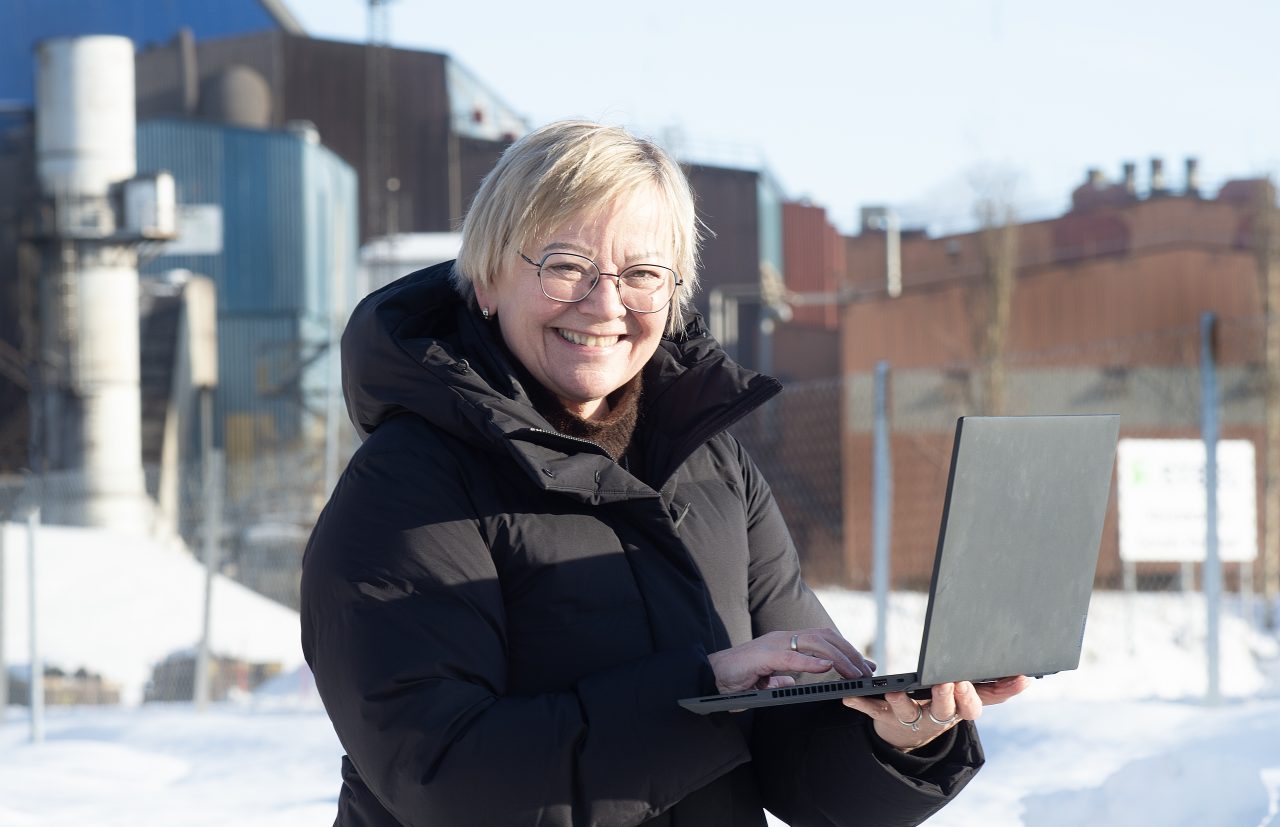
“This is a highly targeted scheme for industry because the courses are short, flexible, and free for participants. That makes it possible to combine training with full-time work in a production company,” says project manager Tone Jakobsen at Kunnskapsparken Helgeland.
Jakobsen is responsible for skills development within the Arctic Cluster Team (ACT) cluster project, where one of the key tasks is identifying and developing relevant competence initiatives for industrial companies in the region.
The Competence Secretariat Connecting Industry and Education
To ensure that the training programs genuinely meet real industry needs, a regional competence secretariat has been established in Mo i Rana. Here, industrial companies, trade unions, and educational institutions work closely together.
Today, the local competence secretariat includes representatives from:
- Fellesforbundet (trade union representatives)
- 7 Steel Nordic Manufacturing
- Rana Gruber
- Momek
- Alcoa
- Nexans
- Viken Higher Vocational College
- Kunnskapsparken Helgeland
“Through the ACT cluster collaboration, we have created a structure where companies themselves report the skills they need. The competence secretariat then translates these needs into concrete study programs in collaboration with the vocational colleges,” Jakobsen explains.
Two New Study Programs Being Developed from Scratch
The work of the secretariat has identified two subject areas as particularly important for the industry in Mo Industrial Park:
Mini Metallurgy
This program will provide operators, skilled workers, and technical personnel with practical metallurgical expertise related to:
- melting and casting processes
- alloy control and material properties
- process optimization and quality management
- energy efficiency and emission reduction
This competence is especially important for companies such as 7 Steel Nordic Manufacturing, Elkem, Ferroglobe, and Alcoa.
Refractory Industrial Masonry
Refractory industrial masonry is essential for all high-temperature industrial processes. The program will include:
- installation of refractory materials
- maintenance and repair of furnace linings
- lifespan optimization and safe operation
Failures in refractory systems can lead to production shutdowns, financial losses, and safety risks.
“These are subject areas we are now developing entirely from the ground up. The goal is for the programs to be ready from next year,” says Jakobsen.
The development of the curriculum for industrial masonry is led by Olav Slettahjell from Viken Higher Vocational College, with industry representatives participating in the project group to ensure high relevance.
Vocational College Education Provides Both Skills and Status
The new programs will be established at vocational college level as continuing education for skilled workers. This means the studies will provide academic credits and formally documented competence.
“This is attractive for skilled workers. You gain not only new expertise, but also formal qualifications and increased professional status,” Jakobsen emphasizes.
The initiative is also supported by labor market partners. Norsk Industri and Fellesforbundet have negotiated funding for the development of new study programs, and through the Industry Skills Fund, employees may receive financial support and educational leave arrangements, including up to 75 hours of paid annual skills development.
Flexible Studies Adapted to Shift Work and Production
The training will be organized as modular and flexible programs, combining:
- online teaching
- session-based instruction
- hybrid solutions
This makes it possible to complete the studies alongside full-time industrial work.
“Flexibility is absolutely essential. Most people taking these programs are working full-time,” says Jakobsen.
Several Relevant Study Programs Already Available
Although mini metallurgy and refractory industrial masonry are still under development, several relevant and flexible programs for industrial skilled workers are already available (see fact box).
“Competence is absolutely crucial for our competitiveness. Through this work, we are building a more robust and future-oriented industry in the region,” Jakobsen says.
Fact Box: Other Relevant Subjects
- Project Management for Skilled Workers
- Industrial Digitalized Automation
Categorised in: Uncategorized
Del Del